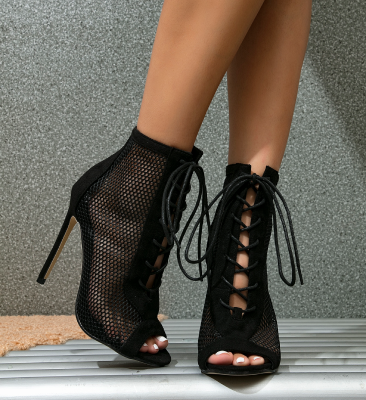


How to Avoid Injuries in High Heels Dance?
Dancing in high heels is not only a visually stunning and expressive style but also a serious challenge for the musculoskeletal system. Performing complex choreographic elements on a high and sometimes unstable platform requires special physical preparation, proper technique, and careful attention to your health.
Is it safe to dance in heels?
The safety of High Heels dance depends on several factors: choosing the right shoes, physical fitness level, execution technique, and gradual load increase. Heels ranging from 8-11 cm force the foot into an unnatural position, which can cause excessive strain on joints, ligaments, and muscles. Without proper preparation or a good warm-up, the risk of injury significantly increases.

Common Injuries in High Heels Dance:
- Sprains and ankle dislocations due to unstable support.
- Knee and back pain caused by improper weight distribution.
- Tendon and fascia inflammation due to excessive strain.
- Foot and skin problems (bruises, calluses, corns, plantar fasciitis).
- Overuse of calf and thigh muscles, leading to chronic pain.
"Dancing in high heels may seem challenging, but with the right approach, it becomes safe and enjoyable. The key is to listen to your body, gradually adapt to the load, and refine your technique. Most dancers successfully perform in high heels without pain or injury. So, when approached wisely, High Heels dance can actually benefit your health in terms of flexibility and activity." — (c) Choreographer and professional High Heels dance trainer.
How to Prevent Injuries While Dancing in High Heels?
- Choose the right shoes – They should be comfortable, provide good foot support, and have a stable heel. For more details on selecting the right dance shoes and attire, check out our articles: "What to Wear for Your First Heels Class?" and "How to Choose High Heels Dance Shoes?".
- Wear knee pads – This accessory helps protect your knees from excessive stress, bruises, and scratches. Knee pads are specifically designed to prevent falls, joint injuries, and sprains. They also enhance performance by allowing dancers to focus on movements, while their cushioning reduces fatigue and discomfort during long training sessions. Modern knee pads combine safety with an aesthetic design, remaining discreet on stage. It is essential to choose a quality manufacturer and the right size.
- Warm up and cool down – Before dancing, warm up your muscles properly, and after practice, do stretching exercises.
- Gradually increase the load – Avoid attempting complex moves or training for long hours in high heels immediately. Start with lower heels or dance slippers.
- Strengthen foot and lower leg muscles – Balance and stabilization exercises help prevent sprains and dislocations.
- Maintain posture and center of gravity – Proper movement execution reduces joint strain. Follow your instructor’s guidance and replicate their movements.
- Allow your body to recover – Breaks between training sessions help avoid overload injuries.
Apart from general recommendations, paying attention to foot positioning during movements is crucial. One of the most common mistakes is shifting weight solely onto the toes or the outer edge of the foot, which places excessive strain on ligaments and joints. Experienced dancers recommend distributing weight evenly across the entire foot, including the heel, even if it remains elevated.
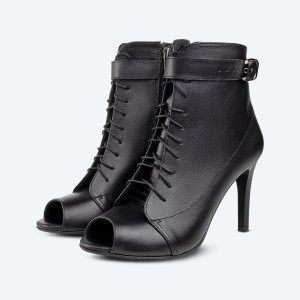
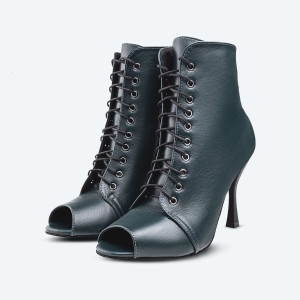
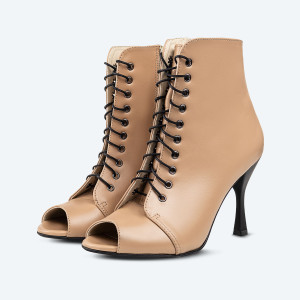
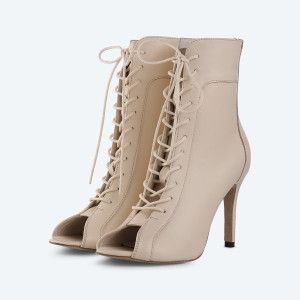
By the way, our brand, HeelsHub, designs proper dance heels where the heel is positioned directly under the foot’s natural alignment, distributing the weight across the entire shoe surface.
-300x300.jpg)
Training your core stabilization muscles is also essential, as a strong core helps maintain balance and reduces the risk of falling. This is why professional dancers and choreographers recommend incorporating balance and proprioception exercises into training, such as standing on tiptoes with closed eyes or using balance boards.
Benefits of High Heels Dance
Despite the risks, dancing in high heels offers numerous advantages. It helps improve posture, enhances femininity, boosts confidence, and strengthens leg and core muscles. Regular training improves coordination, refines movement fluidity, and develops an elegant walk. Additionally, High Heels dance allows for artistic self-expression and emotional release. By following safety techniques and strengthening your muscles, you can avoid injuries and fully enjoy the experie
 Previous
.png) World
World
 United Kingdom
 Poland
 Ukraine
 Czech
Czech
 France
 Deutschland