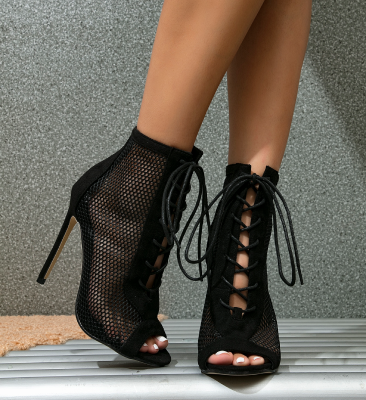


What heel height should be used for pole dance?
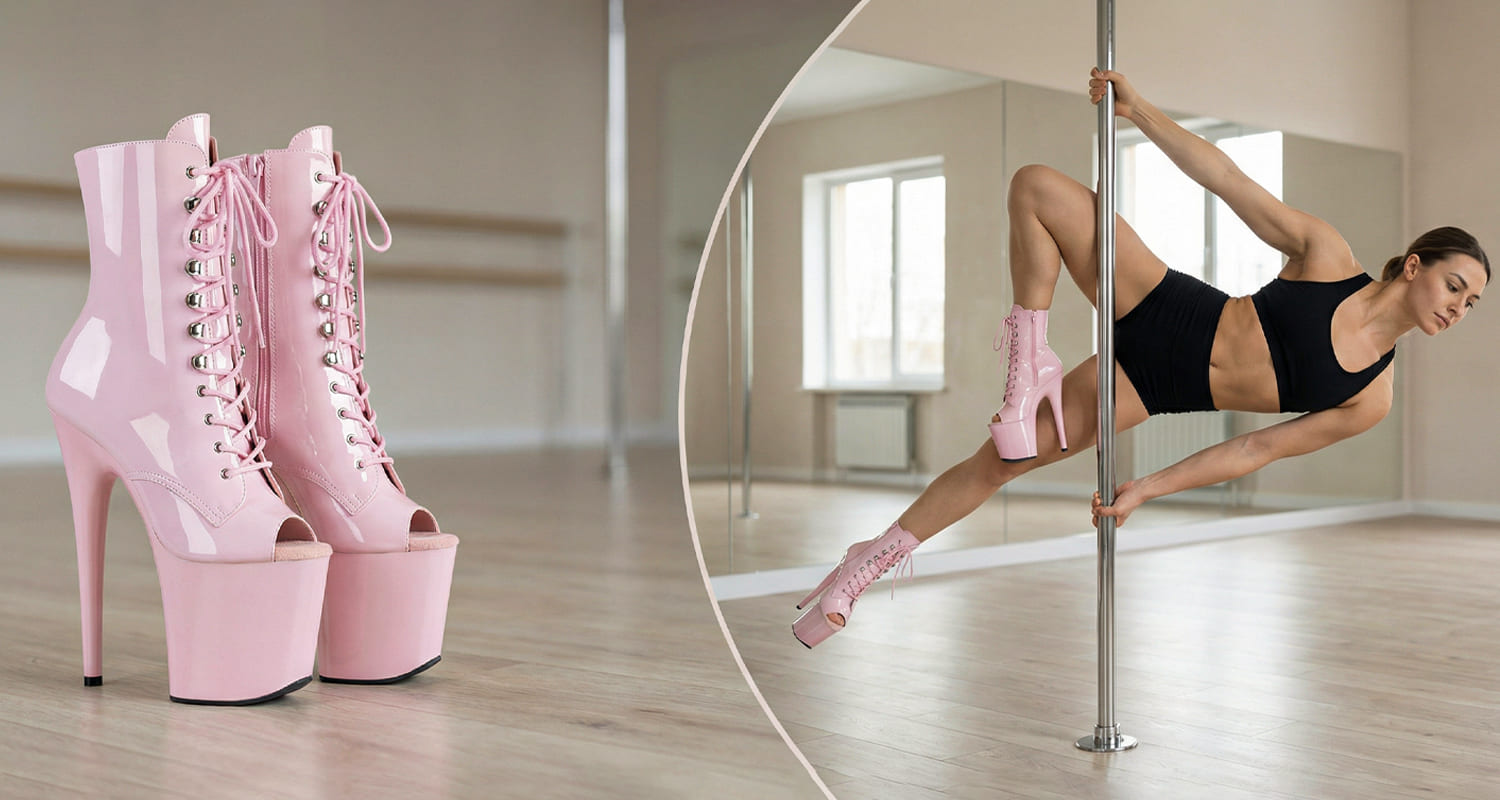
Heel height is an eternal pole dance question. It’s asked at the very first class, discussed in the locker room, and debated in the comments. And honestly, pole heels are not about “shoes for going out.” They are higher, heavier, stranger, and at first they can be intimidating. Especially when you pick up those very “fours” (or even “fives”), while your knees are still shaking after the first attempt at a floor wave. But the question “what heel height to choose” is not just about beginners’ fears. It’s about practice, technique, and style. Because in pole dance, height is not about fashion — it’s about technique. And it’s important to understand when to wear “twos” and when you can confidently put on “fours.” Let’s break it down.
What is pole dance and why heels are needed here at all
Pole dance has long stopped being “something from adult clubs.” Today it is a full-fledged form of dance, sport, and self-expression. It comes in different styles:
- pole sport – about strength and tricks;
- pole art – about aesthetics and artistry;
- exotic – about fluidity and working in heels.
And it’s exactly in exotic that heels become almost a “sports tool.” They increase movement amplitude, help with sliding, and support technique — if, of course, they are chosen correctly.
At the first classes, especially if it’s a basic course, you can dance barefoot — it’s easier to feel your body that way. But over time, you won’t get far without strips. If you want to grow in Exotic or simply move beautifully around the pole, sooner or later you’ll have to put on heels.
What types of strips exist and what those “twos” and “fours” actually mean
If you’re just starting to explore pole dance shoes, all those “twos,” “threes,” and “fives” may sound like magic spells from Hogwarts. But in reality, everything is simple — it’s about platform height, and consequently heel height.
Here are the main options:
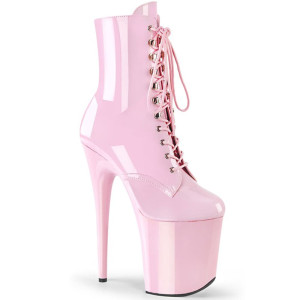
- Twos – 2” (7 cm) platform, 6” (17 cm) heel.
- Threes – 3” (10 cm) platform, 8” (20 cm) heel.
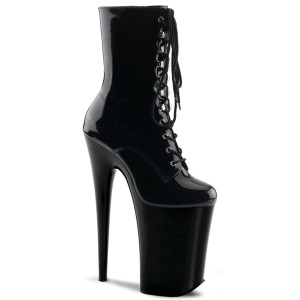
- Fours – 4” (13 cm) platform, 9” (23 cm) heel.
- Fives – 5” (15 cm) platform, 10” (25 cm) heel.
The higher the number, the higher you are above the ground and the more impressive (and more difficult!) the movements look. The foot angle increases, the center of gravity works differently, and technique changes. What looks like “wow” visually is a noticeable load for the body — especially for the foot, ankle, and back.
So just putting on “fives” for your first class. It’s important not only to look good, but also to stay safe.
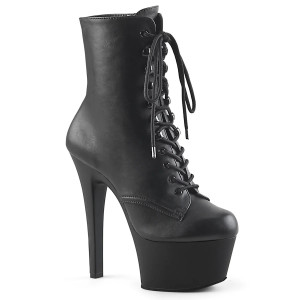
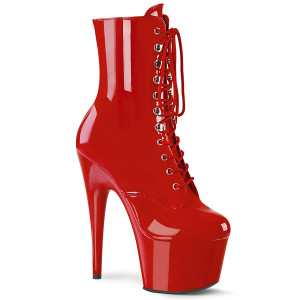
What height should you start with
At the beginning, you want both beauty and “like everyone else,” but heels don’t work that way. Height is not only about visual effect — it’s about how comfortable and safe your body feels.
The best options to start with are:
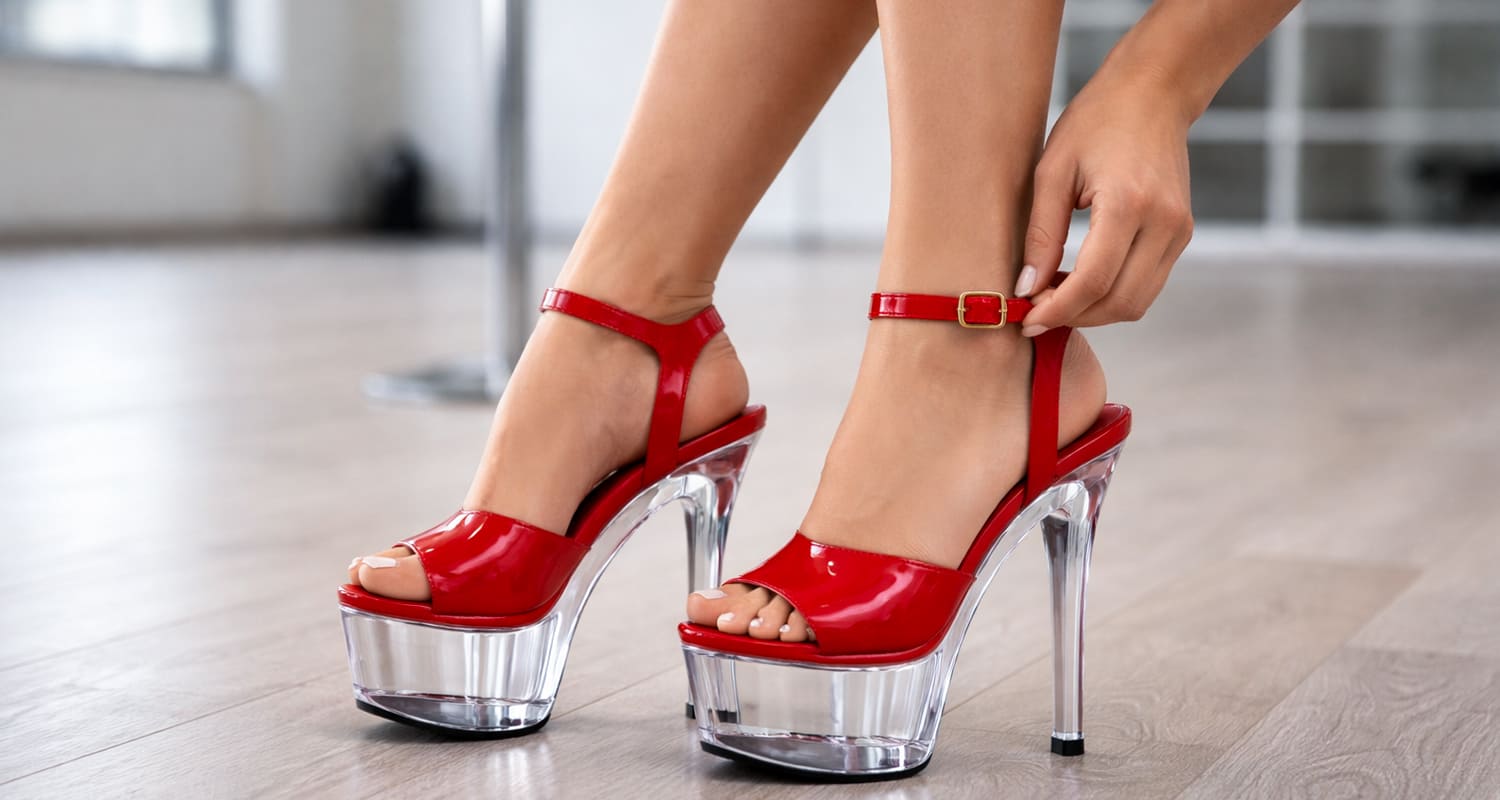
- Twos (2” platform, 6” heel) – stable, safe, helps you get used to the shoes.
- Threes (3” platform, 8” heel) – more visually impressive, but still comfortable and not scary.
It may seem like a difference of 3 centimeters is nothing. But in dance, it’s very noticeable. The foot bears more load, the body tilt changes, and even simple steps feel different. Especially during the first classes, when you’re still learning how to “live” in these shoes.
So the rule here is simple — don’t chase height. It’s better to go lower but feel confident. The visual effect comes with technique, not with heel height.
When you can move to a higher heel
If you already feel confident on “twos” or “threes,” don’t stumble during turns, and feel like it’s “not enough” — that’s a good sign. It means your body has adapted, your foot has gotten stronger, and your technique has become cleaner. And then you can try “fours.”
But! Moving to a new height is like unlocking a new level in a game. Muscles work differently, weight is distributed in a new way, and even familiar combinations require adjustment. So if after trying on “fours” it feels like your legs aren’t yours — that’s normal, your body is adapting. Don’t rush.
Here are the signs it’s time:
- You can walk calmly in your current strips — you don’t hold on to the wall and don’t constantly catch your balance.
- You move fluidly, even at the end of the workout.
- You’re not afraid of waves, level changes, and floorwork.
- You want a higher heel not for photos, but because it’s truly comfortable and you want more movement.
If at least half of this list is about you, feel free to try a new height. But don’t run straight to class in them. It’s better to walk around at home, turn in front of the mirror, and sit in your new “fours” for at least 15–20 minutes. Your body will tell you when it’s ready.
And if it doesn’t feel right yet, go back to the previous height and practice more. Nobody is competing here. Style, technique, and confidence matter more than centimeters.
And what heel height is already considered “high”?
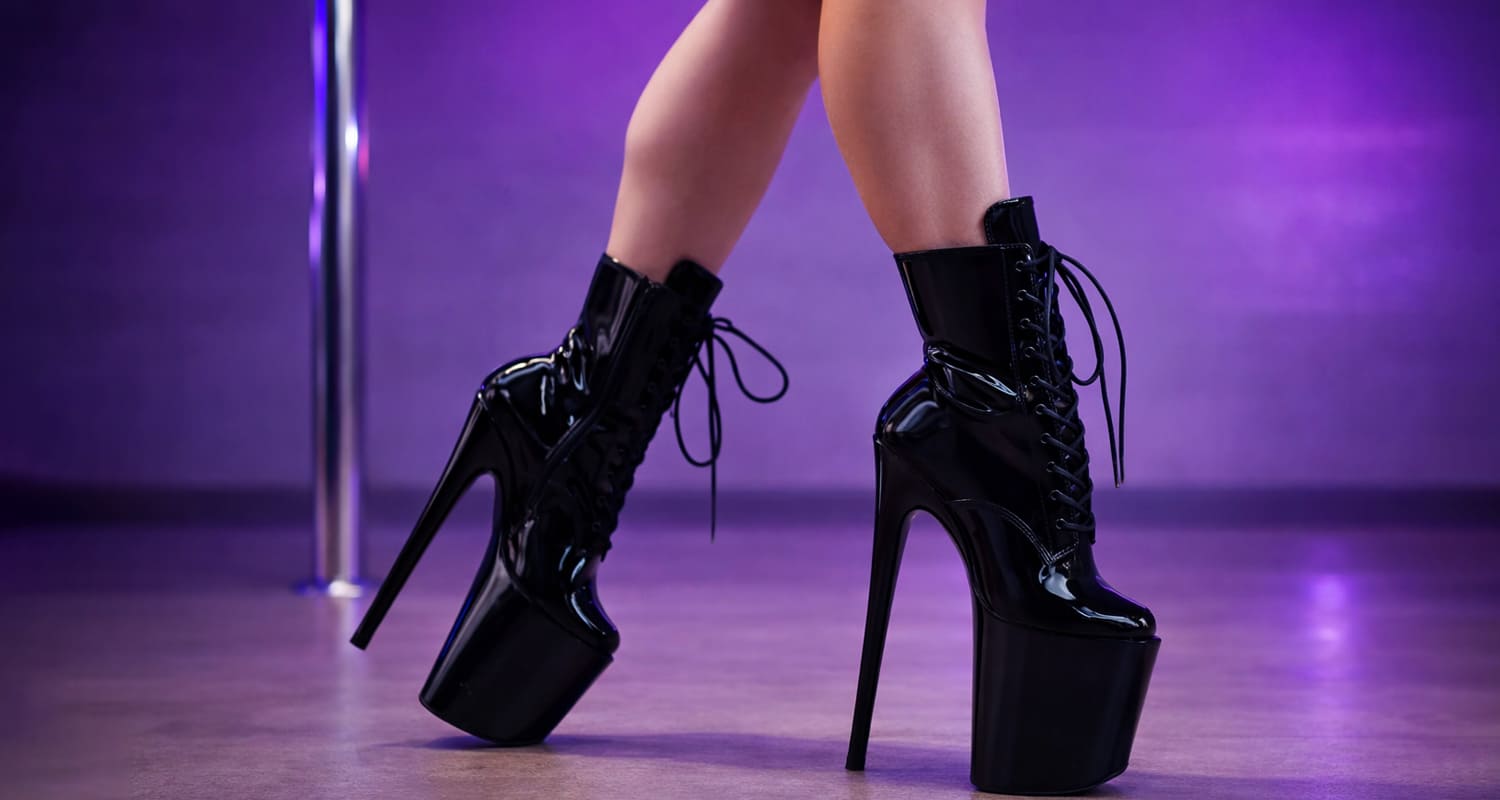
If you think “fours” are the limit, spoiler: they aren’t. There are “fives,” and even higher. These models really exist — 5” (15 cm) platform, 10” (25 cm) heel, and sometimes even more. It looks impressive, no doubt. But anything above a 4” (13 cm) platform is already very high footwear, and it’s important to understand: where, why, and for whom it’s needed. For example:
- for beginners – definitely taboo;
- for training – also not the best choice;
- even for performances – questionable, depends on the concept.
They are made for shows, photo shoots, short stage walk-throughs, or filming Reels in front of a mirror. Walking красиво for a couple of minutes, posing at the pole — yes. Dancing a full routine or training combos — no.
These strips:
- look impressive (both on video and in the mirror);
- but are harder to wear: the foot is more tense, posture changes, and technique requires adaptation.
Even just standing in them is already a separate load on the body, not to mention waves and tricks.
Yes, on stage it can be “wow.” But in the studio it can be “ouch.” So if you want to try high strips, start with a fitting at home. 15–20 minutes by the mirror will tell you more than a thousand tips in the comments.
Important: a high heel ≠ progress. You can dance amazingly in “threes.” But getting injured in “fives” is as easy as it gets. So choose not “like everyone else,” but in a way that’s both beautiful and comfortable.
What you definitely shouldn’t do when choosing heel height
In short — don’t try to be a hero. In pole dance, that doesn’t work. Here are a few things that can end in pain in the literal sense:
- Don’t buy “for the future.” If you’re not physically ready, it won’t be “impressive” — it will be painful, uncomfortable, and dangerous. And instead of progress, you’ll get a setback.
- Don’t compare yourself to others. Some people are in fours in the second month — fine. You may only feel comfortable in threes. That doesn’t mean you’re “behind.” In pole dance, what matters is not height, but control, technique, and enjoyment of movement.
- Don’t confuse “for photos” with “for training.” Heels for shows, photo shoots, and Reels are a separate story. You can suffer a little for the shot. But if you train for an hour in the studio, you need a pair you won’t want to take off after the first approach to the pole.
- Don’t ignore your body’s signals. If a new height causes calf spasms, back pain, or foot pain — that’s not “just push through it.” That’s “reconsider your choice.” The foot is not a place for experiments through force.
When choosing strips, focus not on trends, but on your body. The heel should help you dance, not get in the way. And it’s better to be lower but truly yours.
And finally, about foot health
No matter the height, strips always create load. Even if they’re comfortable. Even if you’ve been dancing in them for more than a month.
To keep your feet from hurting:
- Warm up before training: ankles, toes, calves.
- Do exercises to strengthen the foot.
- Roll a ball or a roller after class.
- Watch your technique.
No “fours” will replace stability, fluidity, and confidence. And when you have technique, the heel naturally becomes an extension of you.
 Previous
.png) World
World
 United Kingdom
 Poland
 Ukraine
 Czech
Czech
 France
 Deutschland