


What clothes to wear for Pole Dance: tips for training and performances
Pole Dance is not just dancing around a pole, it is 100% work with your body. Here it matters not only how you move, but also what you wear. Clothes can either help or hinder – for example, when you slip off the pole because of leggings that are too long. Or when you feel uncomfortable in a top because it doesn’t “support” you. Training outfits are not about looking pretty in photos (though that’s a nice bonus), they are about comfort, safety, and confidence. The main thing is to choose what works best for you: for your level, style, and direction. We’ll break it down – what to wear for training, what is needed for Exotic, which shorts are suitable for tricks, and whether you can actually train in socks.
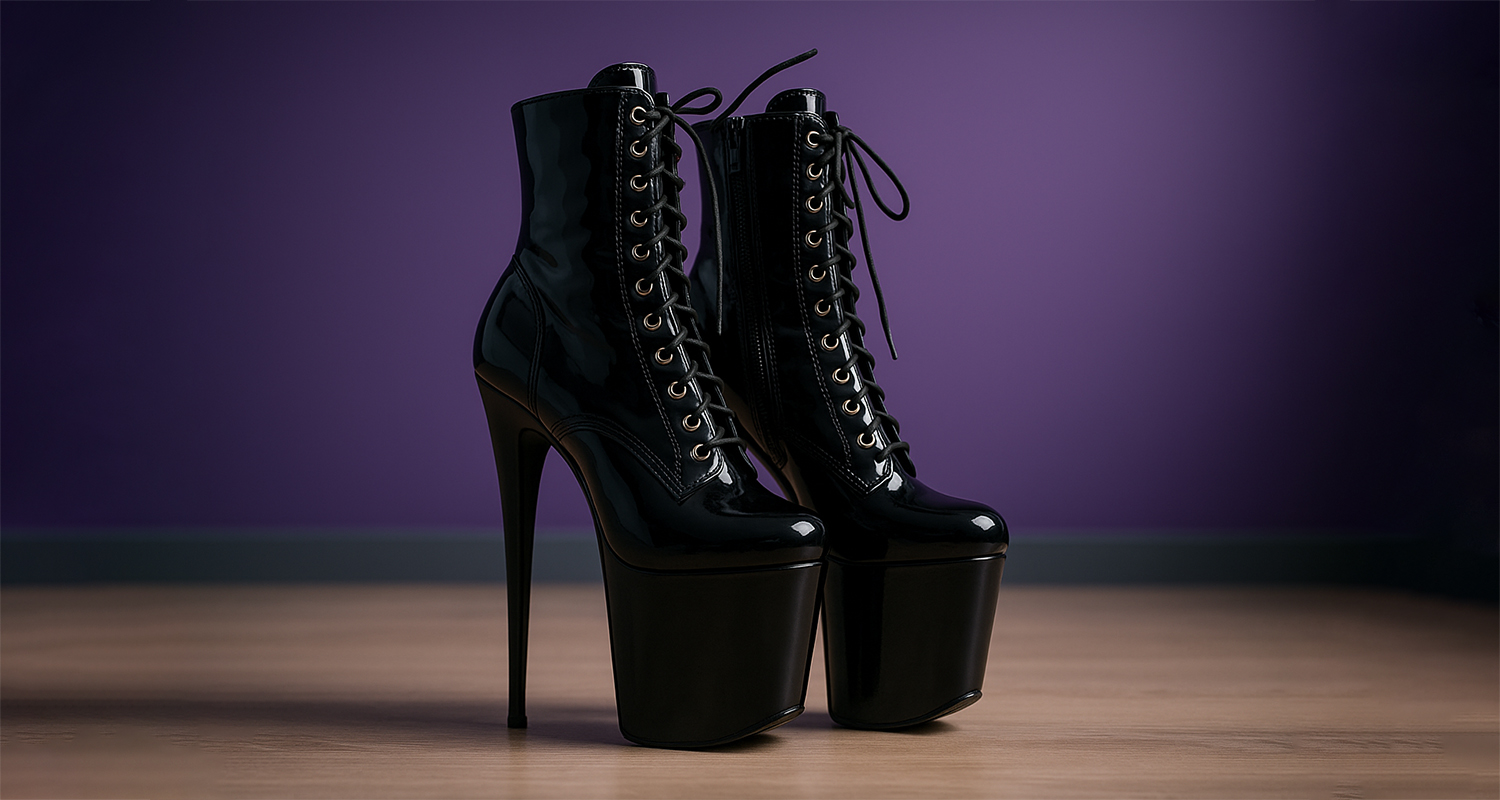
Shoes in Pole Dance – with heels or without?
Let’s talk about shoes. In Pole Dance, they are not just an accessory. They are part of the image, presentation, and mood. Everything works together: movement, music, costume – and, of course, shoes. Without them, the picture is incomplete.
At the beginning, you can train barefoot – especially in softer styles like Exotic Flow. This helps you feel the floor and maintain balance. Socks are also an option, but only non-slip ones or with a rubber sole. Regular cotton socks can be dangerous.
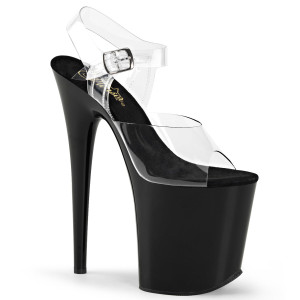
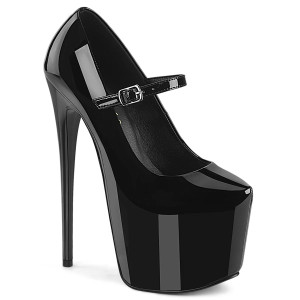
Stripper heels – those iconic platform shoes – are not something “scary” for beginners. The truth is, stripper heels are not about “looking good”, but about technique and possibilities. They help you:
- slide
- add accents
- amplify movements
They make it easier to perform certain tricks, as the platform creates leverage and protection when rising onto demi-pointe.
But! You should only put them on once you feel confident in your body. Learning to walk in them is a skill too, and it takes time. Ideally, your first practice in stripper heels should be guided by a coach.
For stage, photos, and competitions
When it comes to shoots, shows, or competitions – shoes become part of the image. Color, height, style – everything matters. This is where you can play with shapes: ankle boots, closed platforms, patent or matte, with straps or minimalist. The main thing is that they are comfortable and you feel confident. Because if the shoes are “not yours” – it immediately shows in your performance.
There’s no single rule here. It all depends on your stage and purpose. The key is to understand what you’re wearing and why.
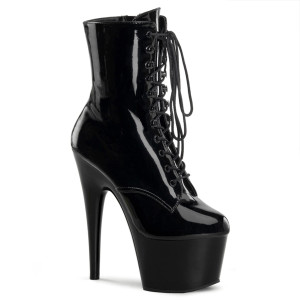
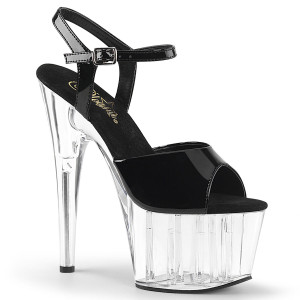
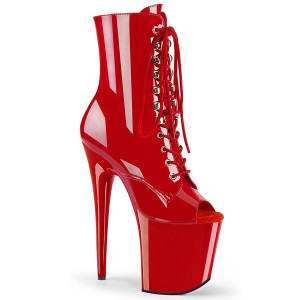
What to wear for Pole Dance training: skin, not leggings
After shoes, let’s move to another important topic – clothing. And believe me, there are just as many questions here. Especially for beginners. What should I wear? How revealing should it be? Can I train in a t-shirt and leggings? What if I feel shy?
This is absolutely normal – in the beginning, it’s not always clear what’s “right”. Many people come to their first class wearing sports leggings and a loose tank top. And honestly, that’s not a mistake – but only at the start and only for warm-up.
A t-shirt and leggings are the maximum for the beginning. They’re useful to keep you warm during warm-up, when you need to prepare the joints and muscles. But as soon as it comes to working on the pole – forget about fabric.
Why is exposed skin important? Pole Dance is not just about strength, but also about grip with the pole. And grip comes from the skin. If your legs and stomach are covered – you’ll just slide down. This is unsafe and makes learning impossible.
The minimum that works:
- shorts
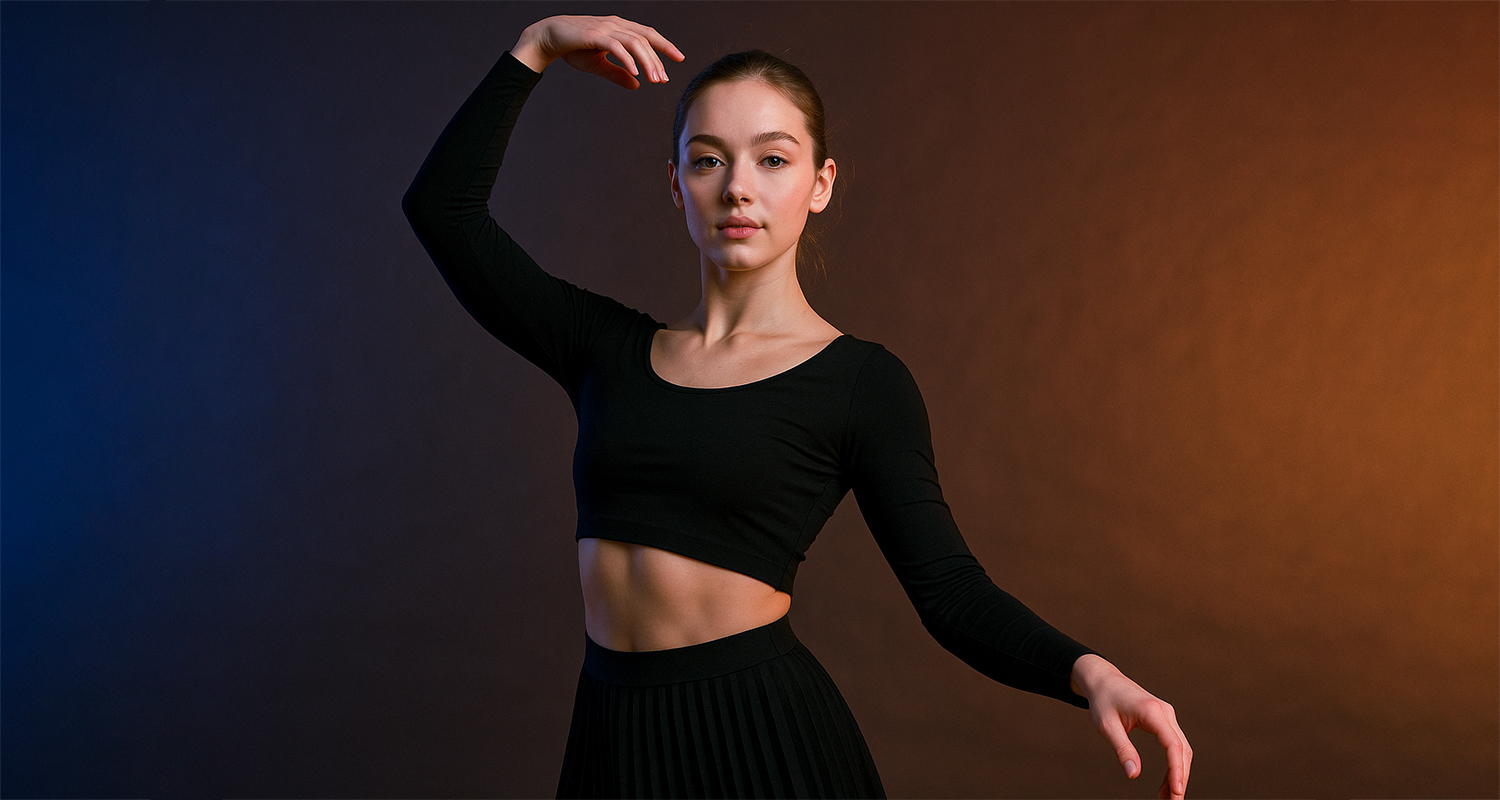
- a top or sports bra (preferably snug-fitting)
- exposed shoulders, stomach, and parts of thighs – depending on the tricks
This may feel too revealing – especially at first. But after a couple of classes, you’ll see that everyone in the studio is focused not on bodies, but on their grips, arms, and technique. No one is judging. Everyone is working.
Pole Dance is not a catwalk. What matters is that your outfit fits well, doesn’t interfere, doesn’t slide off, and doesn’t ride up at the wrong moment. A snug top is better than a super-revealing one if you don’t feel confident in it.
And remember – no zippers, fasteners, or decorative elements that could scratch the pole or your skin. Clothes should be made of elastic fabrics that “move” with you. Cotton is not the best choice. It absorbs sweat quickly and can restrict movement.
The best option – a special set
Yes, you can come to your first class in what you already have. But if you’ve decided to stay in Pole Dance – you should invest in proper gear. And the best choice is to buy a special training set.
It’s usually made of elastic synthetic fabrics – such as polyamide, nylon, lycra, or microfiber. These materials:
- fit snugly to the body (but don’t squeeze)
- don’t absorb sweat, dry quickly
- stretch and don’t restrict movement
- and most importantly – provide grip with the pole
Such sets come in all varieties: high or low-waisted, tops of different cuts, with cutouts, minimalist or bold, in basic tones or with prints. Everyone can find something to feel both confident and comfortable in.
The bonus is that you can wear such a set under a t-shirt and leggings. This way you can come in regular clothes, and before working on the pole simply take off the extra layer. No awkwardness or complicated changing.
Outfits for performances: sparkle, concept, comfort
If comfort and grip are key for training, then on stage another factor comes in – image. Outfits become not just sportswear, but part of the show.
At performances and competitions, costumes are not only about aesthetics. They help convey emotion, highlight choreography, and make you stand out. But even the most impressive costume should never get in the way, ride up, rub, or slip off.
Here’s what matters when choosing a performance costume:
- It should fit the music, concept of the piece, and your style. This could be anything: from a minimalist bodysuit to a superhero, witch, or burlesque-inspired look.
- The costume shouldn’t cover body parts needed for grip (thighs, stomach, back of knees, arms). If the look has a lot of fabric – plan your tricks so it doesn’t interfere.
- During spins and inversions, your costume should not fail you. Avoid overly complicated ties, fragile fasteners, and “doubtful” fabrics.
- Even stage outfits should stretch and “breathe” with the body. This is important for both plasticity and comfort.
- Sequins, mesh, fringe, rhinestones – all add effect. But make sure decorations don’t catch on the pole or scratch your skin.
A costume doesn’t have to come as a ready set. Creativity is your ally here: leg warmers, gloves, belts, wings, long sleeves, headpieces, masks – all these details can help make your look unique. But don’t overdo it: the look should enhance the performance, not overshadow you or restrict movement.
And one more tip – never keep your stage costume in the closet until “showtime”. Always rehearse in it: test all tricks, check where it might slip, rub, or interfere. You may need to adjust, sew, replace, or adapt movements to a specific detail. This way, you’ll avoid surprises on stage and feel confident and in control with every move.
In Pole Dance there’s no single standard – it’s not about looking “the way you should”, but about feeling confident and free. Clothing in Pole Dance is part of the movement, confidence, and freedom. Choose wisely, wear with pleasure, and don’t be afraid to be yourself – in training, on stage, and on camera.
 Previous
.png) World
World
 United Kingdom
 Poland
 Ukraine
 Czech
Czech
 France
 Deutschland
