

Strip plastic: basics and key features of the style
Strip plastic is often underestimated. Some people immediately think of a show, others confuse it with pole dance, and some even believe it’s “not for me.” But in reality, it’s a strong physical workout. It engages the entire body: legs, back, core, arms, shoulders, even the small muscles we usually forget about. It works on endurance, flexibility, posture, and movement control. And when the muscles activate and the body starts responding, both health and mood improve. And if along the way you also like how you look in the mirror — the effect multiplies. That’s why it’s worth understanding what strip plastic truly is: where it came from, why it’s useful, how classes go, and what a beginner should know.
What kind of dance is this and why is there so much confusion
Strip Dance is often confused with anything — from show numbers to pole dance. And it’s no surprise: the names sound similar, and some movements overlap. But the essence is different. Nobody undresses here, nobody plays a character, and nobody performs “for the audience.” This is a dance for yourself. About body awareness, sensuality in movement, freedom in every curve. And also about technique, fluidity and physical work that is not always visible from the outside, but definitely felt after the workout.
The confusion comes from the fact that strip plastic is different for everyone: for some, it’s closer to fitness; for others, to theatre; for others, it feels like a private dance to a favorite track. But at its core it is always the same — a body in motion, something you want to feel rather than hide.
A bit of history
This dance has a long trace in the past, although it was called differently. Something similar to strip plastic existed in Ancient India, Egypt, Greece. Through dance, people expressed beauty of movement, grace, emotions. It wasn’t about the stage — it was about ritual and inner state. Later — geishas, temple dancers, Eastern performers… Each culture added something of its own: in some places the focus was on softness, in others on body control, in others on the ability to be soft and strong at the same time.
The modern style took shape closer to the 2000s. It became more accessible: as a way to get in shape, improve plasticity, and feel yourself differently — in a good way.
How strip plastic differs from other styles
Strip plastic is not about tricks and not about stage performance. Unlike pole dance, which involves acrobatics and working with a pole, here the attention is focused on the body, sensations, and fluidity of movements. You don’t need to have athletic shape, flexibility, or experience — you can start from zero, at any age and with any level of preparation.
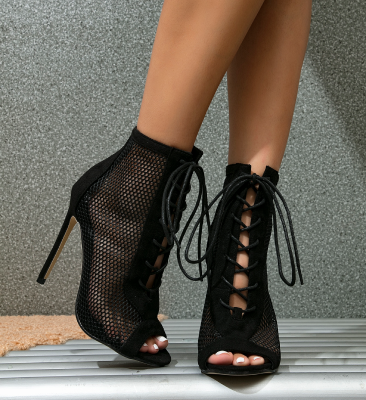
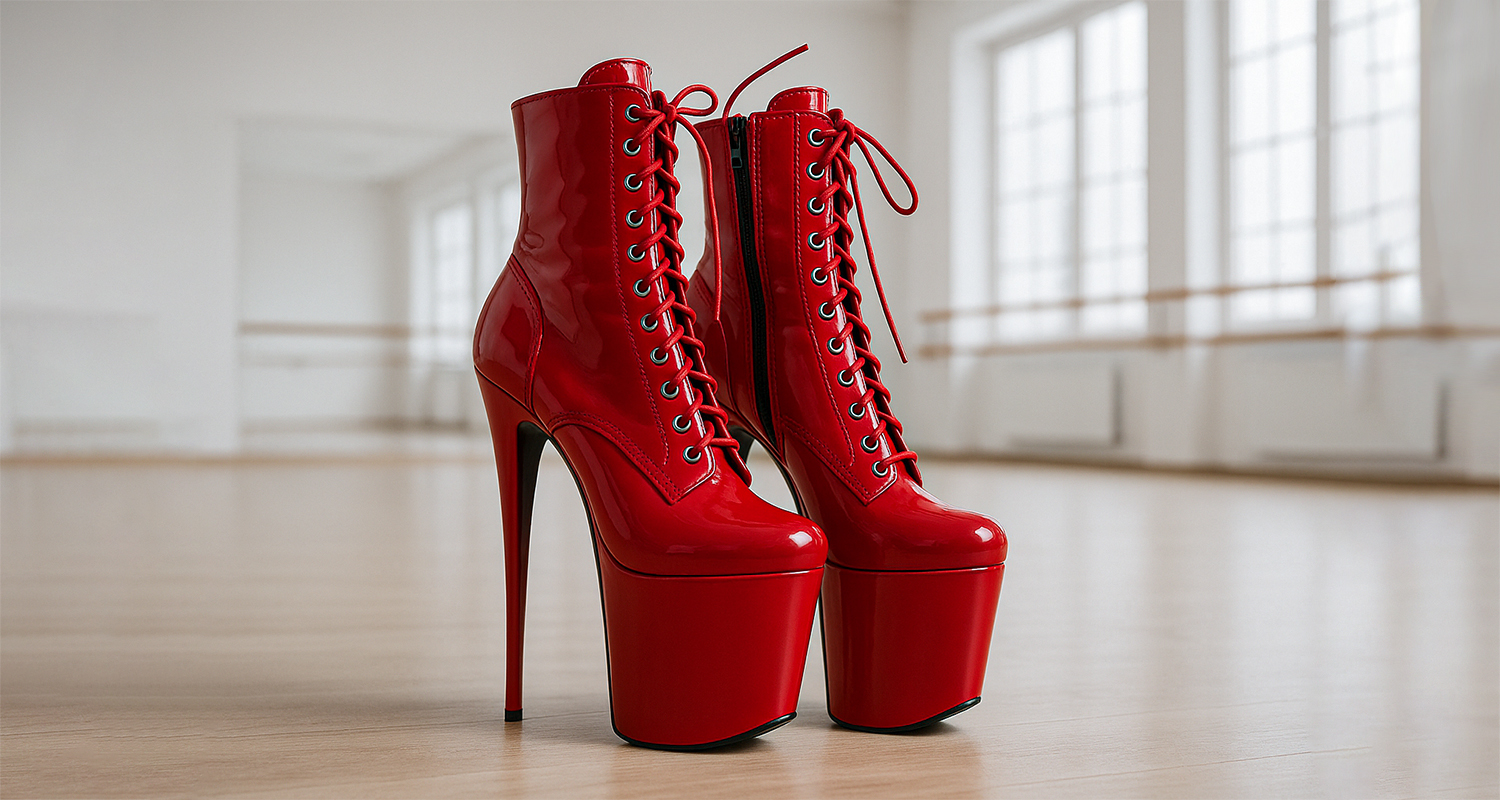
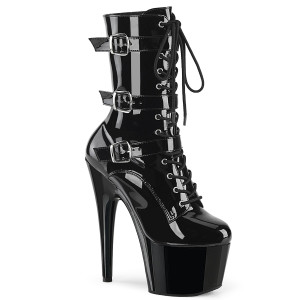
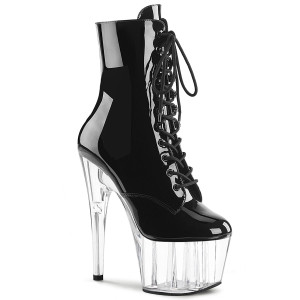
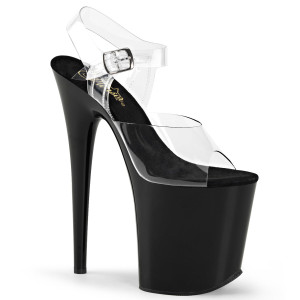
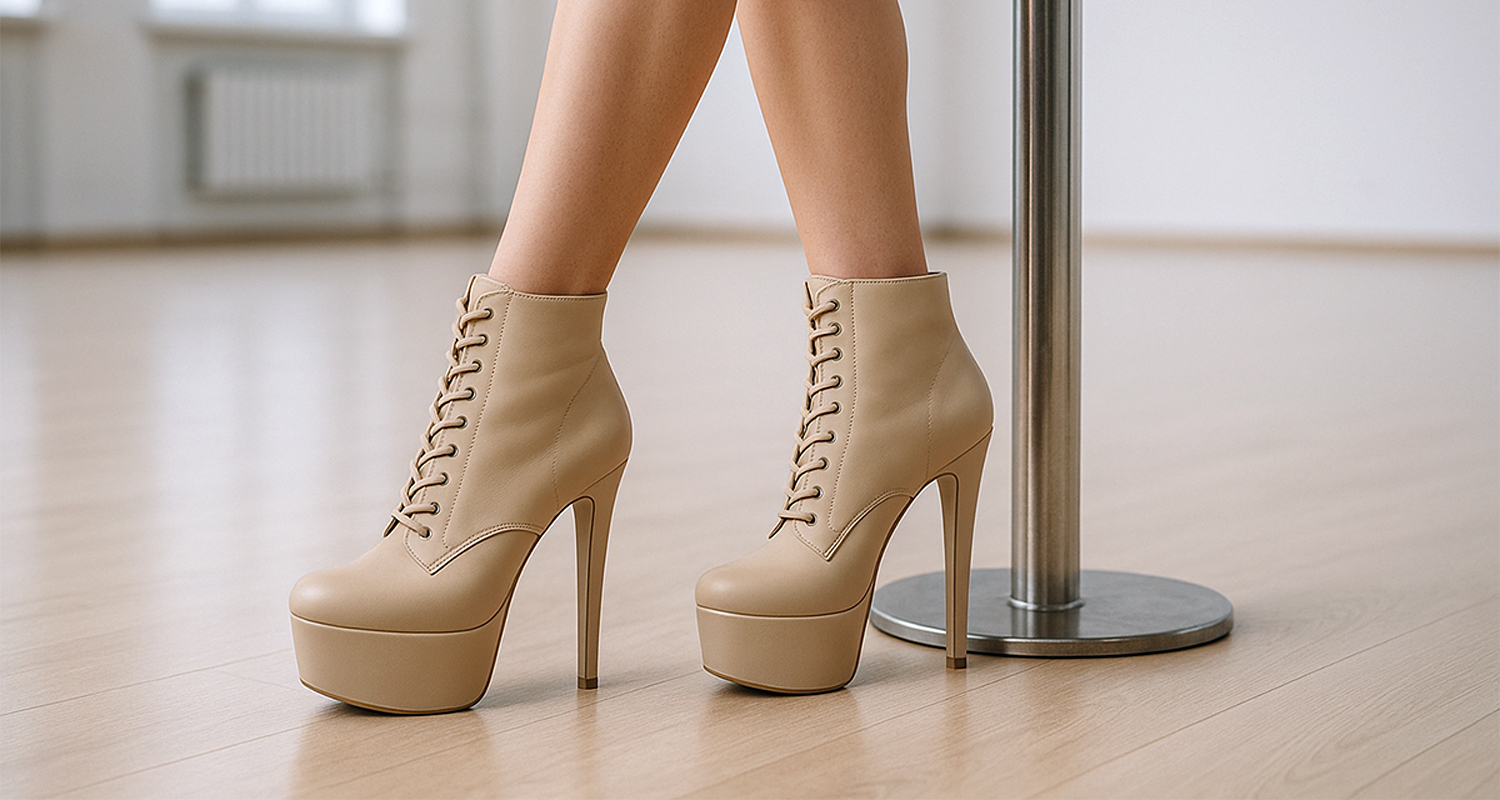
A pole, a chair, heels — these are only additions. You can use them for atmosphere, but you can also dance barefoot without props. The music can be anything, as long as it resonates inside. It doesn’t matter how flexible, fast, or strong you are. What matters is how you feel in the process.
Strip Dance is not an image and not a role. You don’t need to pretend to be someone else. You are the focus — real, without anything extra. This is a dance where you are allowed to be yourself, explore yourself and your body in movement, without pressure or judgment.
What movements form the foundation
There is no strict mandatory structure in this style. It’s not a “one-two-three” count dance, but rather a flow — soft, sensual, smooth. At the core are simple but expressive movements:
- waves with the torso, hips, arms;
- slow steps and walk-throughs;
- squats and transitions to the floor;
- curves, bends, turns — everything that emphasizes body lines;
- work with breathing — as if movements “melt” from within.
The key is not the technique, but how you feel it. You don’t need to “dance correctly” — you need to stay connected with yourself. Sometimes just taking a step, sliding your hand along your hip, or leaning forward already looks beautiful and natural if you are present in the moment.
What strip plastic gives to the body and mind
If you think strip plastic is just about moving beautifully to music, in reality, it is much deeper. It’s real work with the body and muscles, and at the same time — with emotions, attention, and inner state. You don’t just repeat movements. You learn to control yourself — physically and mentally.
Speaking of the physical aspect:
- First, Strip Dance actively develops the body. Legs, hips, glutes, core, back, shoulders — almost everything works at once during training. The movements activate several muscle groups simultaneously without overloading them. Gradually the body becomes stronger, more enduring, and more flexible.
- Second, flexibility improves constantly. Every class includes stretching, waves, soft bends, and rolls — all of this frees movement and helps release tension. This is especially noticeable in the back, neck, and torso. Along with that, a beautiful posture forms — not forced, but alive and natural.
- Coordination deserves separate attention. At first, the movements may feel unfamiliar, especially if the dance includes heels or weight shifts. But with each class comes more confidence and control: you feel how your foot moves, how the hip activates, how to control your center of gravity. This is not just a skill — it’s a sense of your own body in space.
Besides that, Strip Dance helps the “head.” Dance relieves the nervous system, especially after a workday. You don’t need to prove anything to anyone — you just move as you feel. And this gradually brings you back to yourself. Lightness appears, anxiety decreases, internal tension fades.
And another important point — confidence. Not flashy, not for someone else, but real — from within. It doesn’t come right away, but forms with each training session: when something starts to work out, when the body responds, when you see yourself in the mirror and feel that you like it.
That’s why strip plastic is not about “looking impressive,” but about holistic work with the body and inner state. It’s good both for health and for self-perception. And if you start liking yourself in the process — that’s just a pleasant bonus.
Can you start from zero?
Of course! One of the most common questions is “Will I even manage?” It seems like you need to be super-prepared: flexible, with a dance background or at least sports experience. In reality — no. In strip plastic you can be anyone: with an office back, without childhood sports, with zero understanding of “where my pelvis is.” Nobody checks your plank time or demands splits — you just come and start from where you are.
At the first class you won’t be given difficult combinations. Everything goes step by step:
- first a warm-up, to gently activate the body;
- then a little stretching, because flexibility is a base for many elements.
Then come simple exercises explained in a way that everyone can handle.
You don’t need special equipment, outfits, or expensive high-heeled shoes. The first class is just a step into something new. Come in a T-shirt and shorts or leggings — and you’re already ready. Everything else will come with time. If you get hooked (and usually you do), you’ll want an outfit that feels right, try heels, and maybe sign up for additional stretching. But that will come later, when you feel the taste of it.
And not knowing how to dance is not an excuse. Strip plastic doesn’t require stage performance. It’s about something else: about connection with your body, about moving in your rhythm, about sensing yourself here and now. Dance experience is a plus, but absolutely not a requirement.
So if you have interest — that is already enough to start.
 Previous
.png) World
World
 United Kingdom
 Poland
 Ukraine
 Czech
Czech
 France
 Deutschland